
Storm damage in The Hague: What to do and tips for repair
Storms can strike unexpectedly and cause significant damage in The Hague. What should you do after such an event? Discover essential tips for recovery and prevention.
Storms can be devastating, especially in coastal cities such as The Hague. With regular storm warnings and a changing climate, it is no surprise that storm damage is a common problem for residents. Gusts of wind can tear roofs off houses, uproot trees, and even damage cars. All of this can lead to significant costs and inconvenience for the affected households and businesses.
The impact of storm damage is not only physical, but also emotional. The loss of personal belongings and the disruption to daily life can take a significant toll. Many people do not know what to do when faced with storm damage, which makes the situation even more stressful. That is why it is essential to be prepared and know what steps to take to limit the damage and recover quickly.
In this blog post, we will take a closer look at the various aspects of storm damage in The Hague. We will discuss the most common types of damage, how to recognize them, and what steps to take after a storm. We will also provide tips for repair and preventive measures to avoid future damage. By being well-informed, you will be better equipped to deal with the consequences of storm damage and protect your home and property.
Common types of storm damage
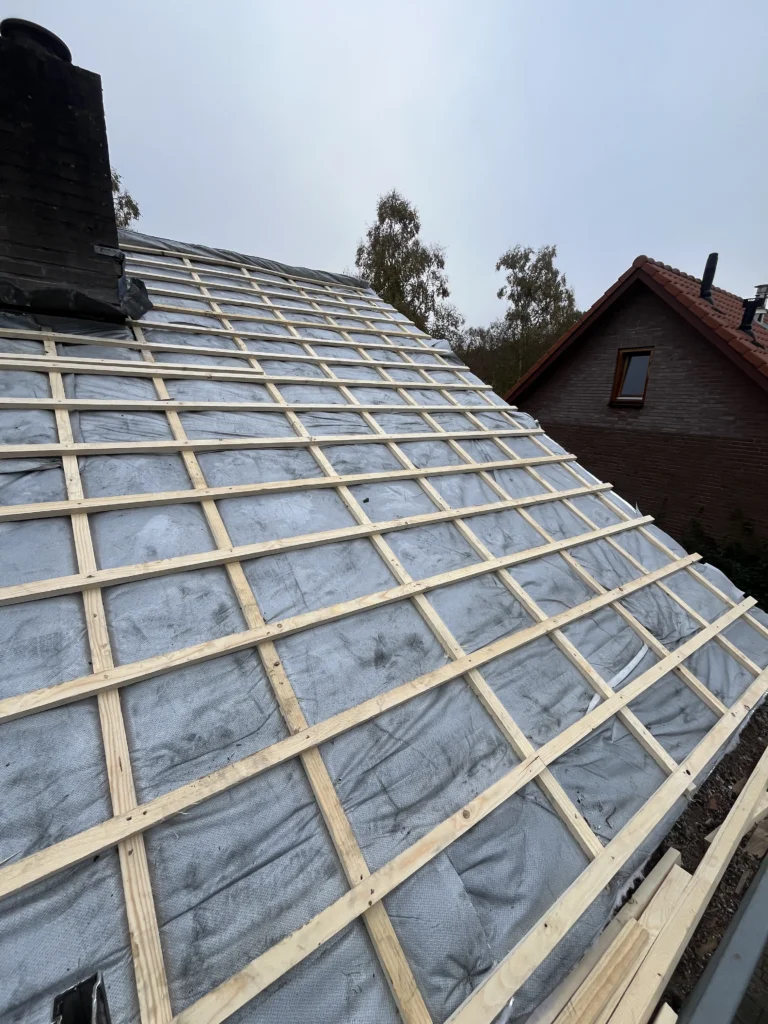
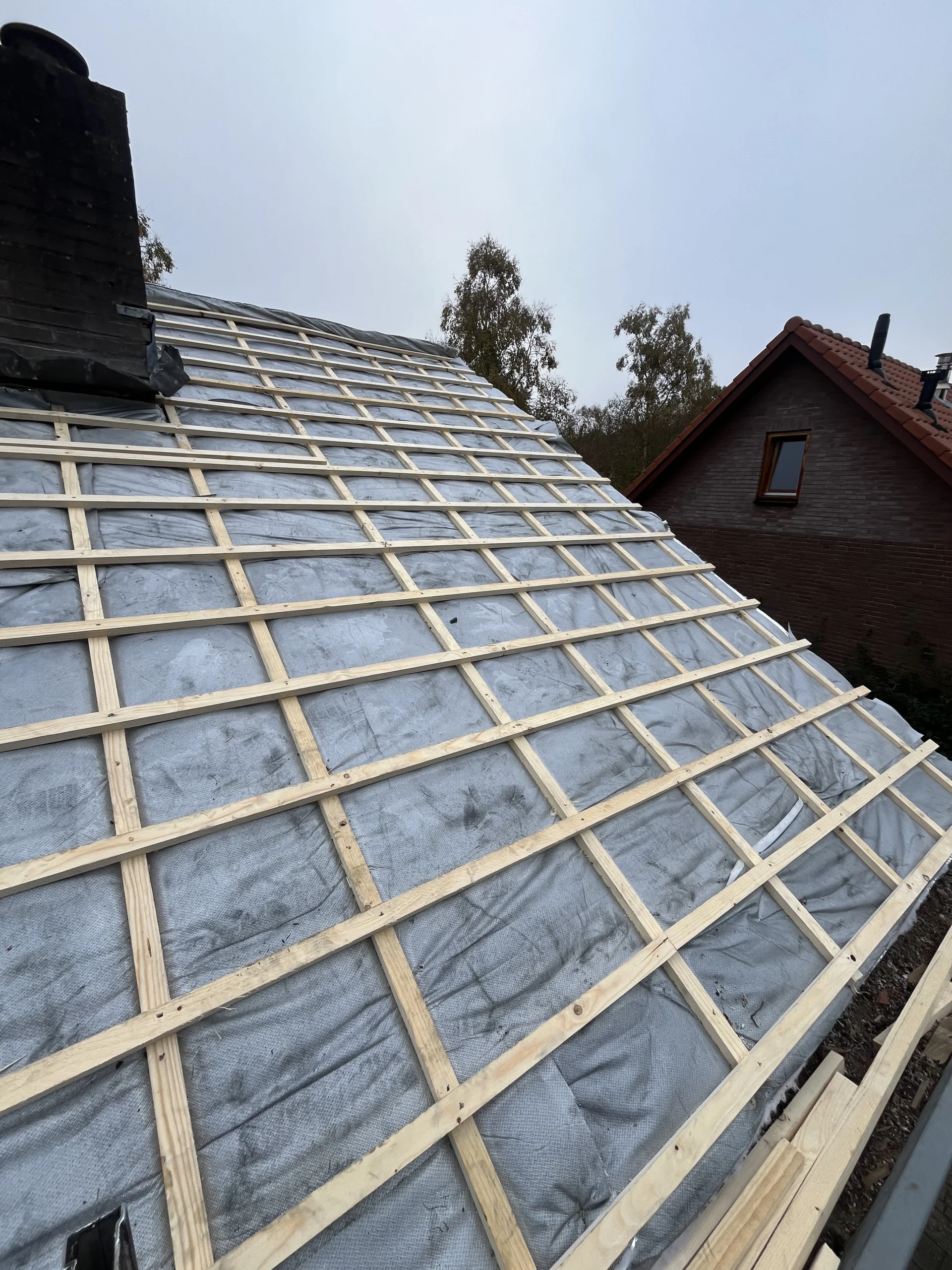
Storms can cause damage in various ways, depending on their intensity and duration. One of the most common types of storm damage is damage to the roof. Strong gusts of wind can tear off roof tiles or even remove entire sections of roofing. This can lead to leaks and further damage to the interior of the house, such as water damage to walls and ceilings.
In addition to roof damage, damage to trees and gardens is also a common problem. Trees can fall over in strong winds, which is not only dangerous for people and animals, but also for property. A fallen tree can crush a car, damage a house, or block access to the home. Even smaller branches that break off can cause damage to windows, facades, and other structures.
Damage to vehicles is another common form of storm damage. Cars parked outside are particularly vulnerable. Falling branches, flying debris, and even hail can cause significant damage to vehicles. This can range from superficial scratches and dents to more serious damage that requires expensive repairs. It is therefore important to know how to protect your property and what steps to take if you do suffer damage.
How to recognize storm damage
Recognizing storm damage is the first step in the recovery process. After a storm, it is important to conduct a thorough inspection of your property. Start by checking the roof; look for missing or damaged roof tiles and watch for any signs of leakage. Inside the house, you may notice moisture spots on walls and ceilings, which can be an indication of roof damage.
In addition to the roof, you should also inspect the exterior of your home. Check the facade for cracks, loose bricks, or other damage. Also check the windows and doors; broken glass or damaged frames can indicate storm damage. Don't forget to check the garden and the area around your house. Fallen trees, broken branches, and damaged fences are clear signs of storm damage.
If you have a car, inspect it thoroughly. Look for dents, scratches, and broken windows. Even if the damage seems minor at first glance, it may be worth consulting a professional for a more thorough inspection. Minor damage can lead to bigger problems later on if it is not addressed in a timely manner. By conducting a thorough inspection immediately after a storm, you can quickly assess the damage and take the necessary steps for repair.
First steps after storm damage
Once you have identified storm damage, it is important to act quickly to prevent further damage. The first step is to ensure that your family and pets are safe. If there are any dangerous situations, such as fallen trees or damaged power lines, contact emergency services immediately. Make sure everyone stays away from dangerous areas until they have been declared safe.
The next step is to document the damage. Take photos and videos of all damaged areas and property. This is essential for insurance and any damage claims. Be sure to take detailed notes of what has been damaged, including the date and time of the storm. This will not only help when filing a claim, but will also give you a clear picture of what needs to be repaired.
After documenting the damage, contact your insurance company. Report the damage as soon as possible and send them the documentation you have collected. The insurer will inform you about the next steps and any emergency repairs you can carry out to prevent further damage. It is important to keep track of all communication with the insurer and to record it in writing. This may be useful later when settling the claim.
Request documentation and compensation
Claiming compensation can be a complex process, especially if you are unfamiliar with the procedures. It is important to start by thoroughly documenting all damage. As mentioned earlier, photos and videos are very important. Make a detailed list of all damaged property and, if possible, try to find the original receipts. This can help to prove the value of the damaged items.
Next, contact your insurance company to report the damage. Make sure you have all the necessary information at hand, such as your policy number, a description of the damage, and the documentation you have collected. The insurance company will likely send an expert to assess the damage. It is important to be present during this inspection to answer any questions and provide additional information.
Once the damage has been assessed, the insurance company will propose compensation. This may be in the form of a cash payment or reimbursement for repairs. Read the proposal carefully and make sure you understand what is being offered. If you disagree with the proposal, you can object and request a reassessment. It is advisable to seek legal advice if you encounter problems when claiming compensation. A lawyer can help you understand your rights and represent your interests.
Seeking professional help: when and why
Although it may be tempting to carry out repairs yourself in order to save money, it is often wiser to seek professional help. Storm damage can be complex, and without the right knowledge and experience, you run the risk of making the situation worse. Professional repairers have the expertise and equipment to thoroughly assess the damage and repair it professionally.
One of the first professionals you may need is a roofer. As discussed earlier, roof damage is a common problem after a storm. An experienced roofer can quickly identify and repair the damage, preventing further leaks and structural damage. In addition, a roofer can advise you on preventive measures to minimize future damage.
In addition to roofers, there are other specialists you may need, such as arborists, glaziers, and structural engineers. Arborists can safely remove dangerous trees and branches, while glaziers can replace broken windows. Structural engineers can assess the structural integrity of your home and make recommendations for necessary repairs. By enlisting professional help, you can ensure that repairs are carried out correctly and prevent future problems.
Tips for repairing storm damage
Repairing storm damage can be a time-consuming and stressful process, but with the right approach, you can make it easier. Start by prioritizing the most urgent repairs. For example, roof damage and leaks must be addressed immediately to prevent further water damage. Work with professionals to develop a plan of action and make sure you have all the necessary materials and tools at hand.
Another important tip is to be patient. It can be tempting to want to fix everything as quickly as possible, but rushed repairs can lead to problems later on. Take the time to thoroughly inspect the damage and make sure you have a clear picture of what needs to be done. Discuss the repair plans with the professionals you have hired and trust their expertise to find the best solutions.
Finally, don't forget to keep your administrative affairs in order. Keep all invoices and proof of payment for the insurance company. This not only helps when submitting a claim, but also gives you an overview of the costs incurred. By staying organized and working closely with professionals, you can ensure that the repair process runs smoothly and restore your home to its original condition.
Preventive measures against future storm damage
Taking preventive measures can significantly help minimize future storm damage. One of the first steps you can take is to regularly maintain your roof. Check the roof for loose or damaged shingles and have them replaced if necessary. Also, consider having your roof inspected by a professional to identify and repair any weak spots.
In addition to roof maintenance, it is also important to properly maintain the trees around your home. Regularly prune branches that are too close to your home or other structures. Consider removing dangerous trees that could pose a risk in strong winds. A tree care professional can advise you on the best way to keep your yard safe and prevent storm damage.
Another effective measure is to reinforce the structure of your home. Consider installing storm shutters to protect your windows from flying debris. Ensure that your doors are sturdy and close properly. If you live in an area that is frequently affected by storms, it may be worth investing in storm-resistant materials for your home. By taking preventive measures, you can significantly reduce the risk of damage and ensure the safety of your home and family.
Local resources and services in The Hague
The Hague offers various resources and services that can help you repair storm damage. The municipality of The Hague has a number of emergency services that can respond quickly to emergencies. If you are dealing with fallen trees, damaged power lines, or other dangerous situations, you can contact the municipal services for rapid assistance.
In addition, there are numerous local companies that specialize in repairing storm damage. From roofers to glaziers and structural engineers, you can easily find professionals who can help you repair the damage. Many of these companies also offer 24/7 emergency services, so you can get help quickly when you need it. It's a good idea to have a list of reliable companies in advance so you can act quickly in the event of a storm.
There are also several insurance companies in The Hague that specialize in storm damage. It is important to be familiar with your insurance policy and understand what is and is not covered. Contact your insurance company to discuss what steps you need to take in the event of storm damage and what documents you need to submit a claim. By knowing what resources and services are available, you can act quickly and efficiently after a storm.
Conclusion and forward-looking recommendations
Storm damage can have a major impact on your life, but with the right knowledge and preparation, you can limit the damage and repair it quickly. It is essential to know how to recognize storm damage and what steps to take to document the damage and file a claim. Professional help can be invaluable in repairing the damage and preventing future problems.
Preventive measures are just as important as repairs. By regularly maintaining and reinforcing the structure of your home, you can significantly reduce the risk of storm damage. Local resources and services in The Hague can support you with both emergency assistance and long-term repair projects. It is important to be well prepared and to know where to go for help.
Finally, remember to remain patient and organized during the recovery process. Storm damage can be overwhelming, but with the right approach, you can restore your home and property to their original condition. By applying the knowledge and tips from this blog post, you will be better prepared for future storms and can minimize their impact.